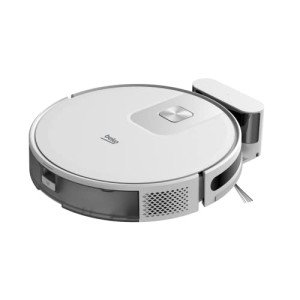
Smart Robot Vacuums: The Future of Home Cleaning
The cleaning landscape has actually undergone a transformative development with the introduction of smart innovation. Amongst the numerous developments that have actually made a significant mark on family chores, smart robot vacuums stand out. These intelligent machines are developed to automate the tiresome task of vacuuming, bringing a level of convenience and efficiency previously unthinkable. This short article delves deep into the features, benefits, and considerations of smart robot vacuums, while likewise addressing frequently asked concerns and offering a detailed introduction of the top designs offered in the market today.
Understanding Smart Robot Vacuums
Smart robot vacuums are automated devices that carry out cleaning tasks by browsing through areas autonomously. Geared up with a combination of innovative sensing units, electronic cameras, and connected technology, these vacuums can prevent obstacles, chart cleaning routes, and even be controlled remotely through smartphone applications.
Secret Features of Smart Robot Vacuums
- Autonomous Navigation: Using sensing units and algorithms, these vacuums can map out their surroundings, allowing them to clean effectively and avoid obstacles.
- Smart Connectivity: Many models offer compatibility with smart home systems such as Amazon Alexa and Google Assistant, making it possible for voice commands.
- Arranged Cleaning: Users can set particular days and times for cleaning sessions, ensuring your home remains neat with minimal effort.
- Adaptive Cleaning Modes: Smart vacuums typically include numerous modes tailored for different cleaning tasks, such as area cleaning and edge cleaning.
Advantages of Using Smart Robot Vacuums
- Time-Saving: They considerably lower the time invested in cleaning tasks, enabling house owners to concentrate on other activities.
- Efficiency: With consistent improvements in innovation, these vacuums typically offer deeper and more extensive cleaning than standard techniques.
- Accessibility: Ideal for individuals with mobility issues or busy lifestyles, these intelligent devices provide a practical option.
- Real-Time Monitoring: Many smart vacuums featured an app that supplies updates and allows users to keep an eye on cleaning development from anywhere.
Top Smart Robot Vacuums on the marketplace
Here, we illustrate some of the standout designs available in the market, comparing their features, efficiency, and price points.
| Model | Price Range | Battery Life | Smart Features | Filtering System |
|---|---|---|---|---|
| iRobot Roomba s9+ | ₤ 999 - ₤ 1,199 | Up to 120 minutes | Wi-Fi, Voice Control | HEPA Filter |
| Roborock S7 | ₤ 649 - ₤ 749 | As much as 180 minutes | Wi-Fi, Voice Control, Mapping | High-Efficiency Filter |
| Eufy RoboVac L70 Hybrid | ₤ 499 - ₤ 599 | Up to 150 minutes | Wi-Fi, Mapping, Voice Control | Triple-Filter System |
| Neato Botvac D7 | ₤ 599 - ₤ 699 | Up to 120 minutes | Wi-Fi, Mapping, Zone Cleaning | HEPA Filter |
| Shark IQ Robot | ₤ 399 - ₤ 499 | Up to 90 min | Wi-Fi, Voice Control, Self-Emptying | HEPA Filter |
Choosing the Right Smart Robot Vacuum
Picking the right robot vacuum includes considering a couple of elements:
- Floor Type: Some vacuums carry out better on particular surface areas, so it's critical to think about the vacuum's effectiveness on both carpets and hard floors.
- Dustbin Size: Larger dustbins imply less regular emptying, a vital element for larger homes.
- Smart Features: Depending on specific needs, functions like scheduling, mapping capabilities, and smart home combination can affect the choice.
- Price: Balancing functions versus budget is necessary, as rates can differ significantly amongst models.
Maintenance of Smart Robot Vacuums
To ensure the durability and effectiveness of a robot vacuum, regular upkeep is necessary. Here are some uncomplicated tips:
- Regularly Empty the Dust Bin: This avoids blockages and keeps strong suction performance.
- Tidy the Brushes: Hair and debris can accumulate; cleaning these parts enhances cleaning performance.
- Examine Filters: Following producer standards on filter cleaning and replacement can boost the vacuum's total performance.
- Keep Navigation Sensors Clean: Wiping the sensing units helps keep the vacuum's navigating accuracy.
FAQs
1. Are smart robot vacuums worth the investment?
Yes, for many homeowners, the benefit and effectiveness of smart robot vacuums can save substantial time and effort, making them a rewarding investment.
2. The length of time do the batteries of robot vacuums last?
Battery life varies by model but generally lasts in between 90 to 180 minutes on a single charge. The majority of models will immediately go back to their charging stations when the battery is low.
3. Self Cleaning Vacuum ?
Lots of models are created with unique brush shapes and extra cleaning modes to much better deal with corners and edges, though they may not be as effective as traditional vacuums in all cases.
4. Do robot vacuums work on carpets?
Yes, a lot of models are engineered to deal with both carpets and hard floorings, though some may stand out more on particular surface areas.
5. How typically should I run my robot vacuum?
It depends on home activity and family pet existence, however many users discover running a robot vacuum day-to-day or every couple of days keeps cleanliness successfully.
The incorporation of smart robot vacuums into family cleaning regimens marks a significant leap in benefit and performance. As innovation advances, these gadgets are becoming increasingly sophisticated, addressing specific cleaning requirements while releasing up important time for users. By comprehending the functions, advantages, top models, and essential upkeep suggestions, customers can make educated options that boost their cleaning experience. Whether one's home is filled with pets, kids, or merely a busy way of life, smart robot vacuums are poised to transform how homes are kept tidy in the contemporary age.